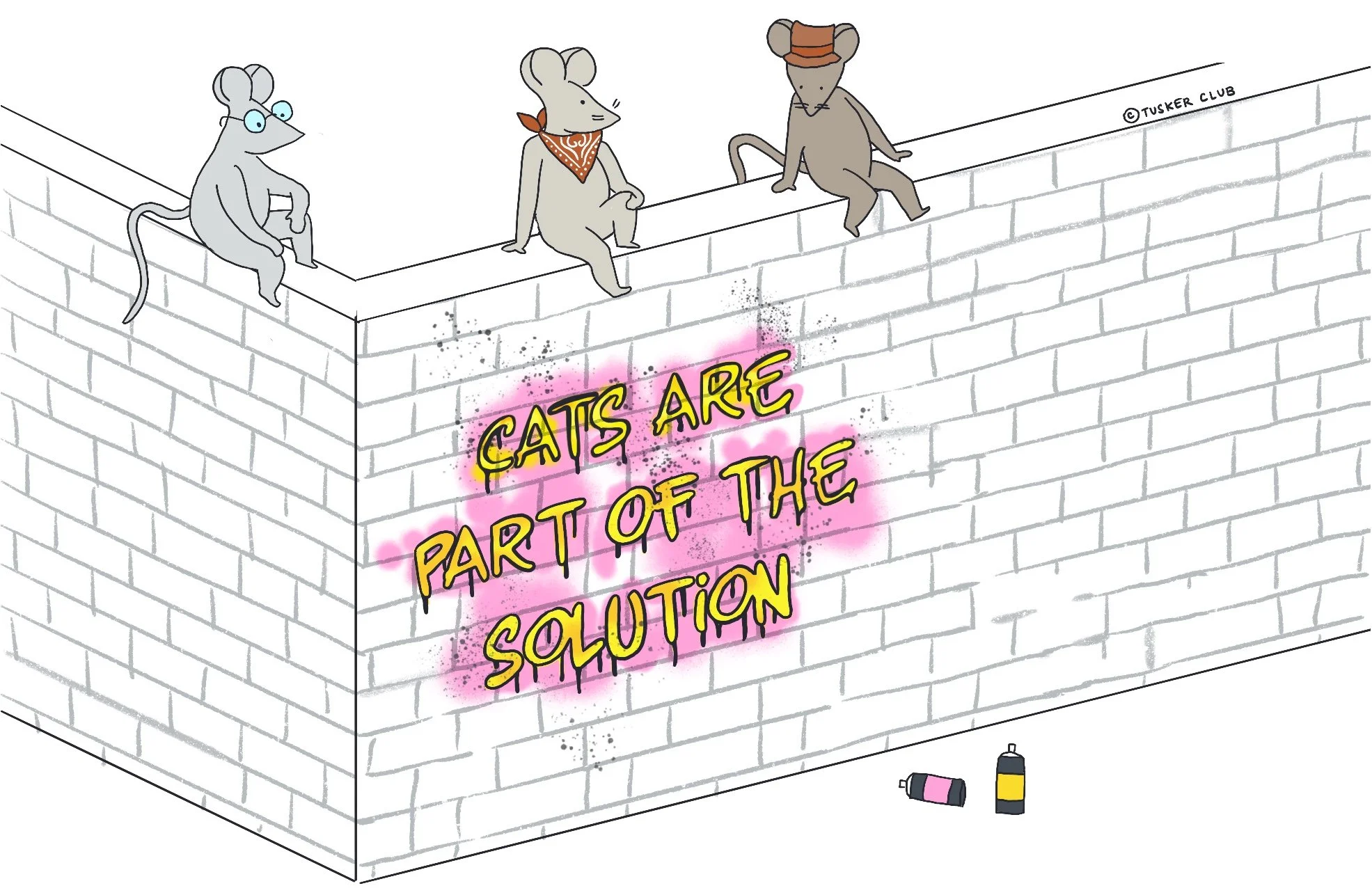
Little Acts of Rebellion
We all feel strongly about certain causes or injustices. Too often, we suppress (or polish) our drive to shake things up, reinforcing our initial resentment.
Why? Reasons are aplenty. Rebellion feels out-of-reach, unreasonable, risky… Rocking the boat would leave us unbalanced.
As a result, we tend to appoint our rebels, magnify their successes, and chastise their failures, making it difficult for some of us to tap into their rebellious energy as a force for change, while running the risk of turning into judgmental bystanders.
Instead, we follow the footsteps of Susan van Esch, Head of the Master’s Degree Programme in Crossover Creativity at the Utrecht School of Arts in the Netherlands, to promote “little acts of rebellion,” a practice initiated by one of her former students during the COVID-19 pandemic.
Parting from the romantic yet limiting all-or-nothing narrative of rebellion, Susan experienced the practice for five days in a row—a stretch she described as long, but necessary—as part of an experiment conducted with four students and two alumni. The goal was to embrace the discomfort and disharmony that comes with change.
Starting small, Susan felt more and more daring as she embraced the playfulness of the approach, an aspect that resonated with her close circle. She also felt more cautious when acting in the context of her academic role than in her private life.
The experiment was so conclusive that Susan decided to include it in her academic curriculum. She also recommends doing it for five days every month with a trusted group of friends or colleagues.
Susan’s recalling of the experience is profound for those who may feel helpless to bring about the change they want to see in the world:
As an individual, you have autonomy and the opportunity to follow your own path.
Cultivating a rebellious mindset is a way to remain attentive and aware of the context in which you operate and to regulate potential judgmental attitudes.
Some acts may look small to you, but they can inspire others.
Building confidence and becoming more daring to stand up for the things that matter to you takes time.
Being part of a group provides a “mission element” and facilitates action.
Discomfort from not conforming is attenuated by the fun that goes with it.
Her experience shows that taking responsibility for the change you want to see in the world, one step at a time, is a profoundly radical act. In organisations and communities that have lost their moral compass, rebellion becomes an act of citizenship rather than an act of resistance.
This empirical approach to leadership befits both reformists and revolutionists: the most transformative outcomes are achieved when change-makers allow themselves to be shaped by the journey they initiated.
At this stage, you may be craving an example. One could be that the person who spearheaded this practice cares more about paying it forward than about being rightfully quoted in this article.
The best example, though, is the idea you could come up with today:
Form a group of trusted friends or colleagues to undertake the journey together for a set amount of time and connect via a group chat.
Perform a rebellious action once a day.
Do no harm (to yourself or others).
Make the actions public (i.e., people can respond to it, but you do not have to be present at the response time).
Engage with the group: E.g., let others know your challenge for the day, share a picture or a video of it once done, and pose reflective questions to one another.
Keep it simple: you can copy others, not all action has to be meaningful, etc.
Optional: Involve others outside of the group to make it more challenging. What does this bring you?
Optional: Document the journey (e.g., consider journaling or using other creative ways to take stock of your feelings and how your perspective evolves).
© Baptiste Raymond - tembocitizen.com